pH-Z Impedance
What is Esophageal 24-hour pH/Impedance Reflux Monitoring?
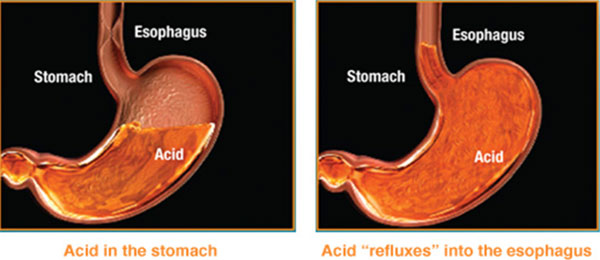
Esophageal 24-hour pH/impedance reflux monitoring measures the amount of reflux (both acidic and non-acidic) in your esophagus during a 24-hour period and assesses whether your symptoms are correlated with the reflux.
The 24-hour esophageal pH test is an outpatient procedure performed to measure the pH or amount of acid that flows into the esophagus from the stomach during a 24-hour period.
The pH test is commonly used to help identify the cause of various symptoms, including:
uncommon symptoms of GERD (gastroesophageal reflux disease), such as chest pain, chronic cough, and asthma

How Is the Esophageal pH Test Performed?
The equipment used in the esophageal pH test consists of a small probe that is inserted through your nostril and positioned near the lower esophagus. The probe is plugged into a small unit (or monitor) worn on your belt or over your shoulder.
The device has several buttons that, when pressed, record:
The occurrence of symptoms
When you eat and lie down
24-Hour pH Impedance
Your doctor may order a 24-hour pH impedance to evaluate your reflux. This procedure monitors your pH level (level of acidity) for a prolonged period.
Why It’s Performed
Doctors may use this test to measure how often acid leads from your esophagus into your stomach, and if this acid is related to your symptoms. Your esophagus has a muscle at the entrance to the stomach in order to keep food from coming back up into the esophagus. If this valve is not working properly, you may experience heartburn, pain or coughing.

What to Expect
During pH impedance:
- Your doctor places a thin, flexible catheter with an acid-sensitive tip through your nose into your esophagus. The catheter is placed in separate recording spots to evaluate the flow of liquid from your stomach into your esophagus.
- The catheter stays in your nose for a period of 24 hours.
- Your doctor is able to evaluate whether you have gastroesophageal reflux disorder (GERD), the severity of your reflux, and the correlation between your reflux and the symptoms and presence of nonacid reflux. This procedure helps your doctors design a course of treatment.
How do I know if my baby has reflux?
While they may vary, the 10 most common signs of acid reflux or GERD in infants include: spitting up and vomiting. refusal to eat and difficulty eating or swallowing. irritability during feeding. severe reflux in babies can be very harmful as a baby’s stomach and esophagus is still very sensitive and the acid can cause burning in the lining of the stomach and esophagus. If you suspect that your baby is suffering from reflux send us a mail at the Reflux Centre and our sister will give you a call. We can find out how severe your babies reflux is and to determine if the baby has acid or non-acid reflux and if the reflux is full column reflux.
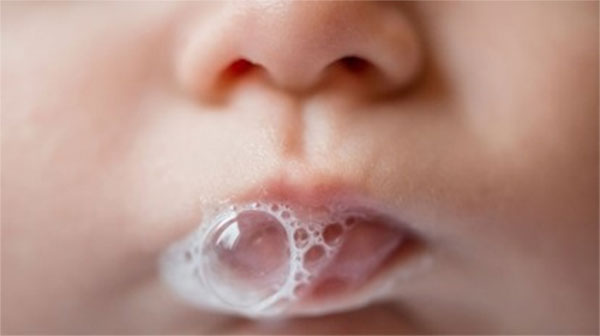
Find out if your baby has acid or non-acid reflux at the Reflux Centre. Is your baby struggling to eat or seems very uncomfortable? Cries uncontrollably and is constantly niggly. Your baby could be suffering from reflux. At the Reflux Centre we can determine if your baby is suffering from reflux and how severe the reflux is.
10 Causes of Reflux
- Carbonated Drinks
Soft drinks are highly acidic and often cause acid reflux symptoms. They contain numerous chemicals that, in addition to causing the drink to fizz, essentially explode upon digestion. This can cause your stomach to expand more than it should. This, in combination with the caffeine that most soft drinks contain, is a recipe for discomfort. - Fried Foods
Consuming fried foods regularly will likely increase your likelihood of dealing with acid reflux. Fried foods have unhealthy fats that your body has a difficult time breaking down in digestion. This can cause your stomach to produce too much acid, which will likely back up into your esophagus. - Tight Clothing
When you wear clothing that is too constricting, your organs become pressed together in a way that is unnatural. Excessive pressure is placed on your lower esophageal sphincter muscles, your stomach, and your diaphragm. This prevents them from functioning normally. This can cause your stomach acid to trek up your esophagus - Obesity
Obesity is one of the leading causes of acid reflux. The improper functioning of the esophagus causes GERD (Gastroesophageal Reflux Disease). Excessive food intake and a higher percentage of body fat may prevent the lower esophageal sphincter from closing properly, which in turn leads to the acid backing up out of the stomach - Hiatal Hernia
A hiatal hernia is an abnormality in which the diaphragm is situated lower than it is supposed to be. The diaphragm controls breathing and stops the acid from entering your esophagus. If you have a hiatal hernia, then you are at a greater risk of suffering from GERD-related discomfort. If you have a hiatal hernia, then you are at a greater risk of suffering from GERD-related discomfort. A hiatal hernia may develop over time, or it may be present at birth. Adults who develop a hiatal hernia generally do so as a result of excessive straining. Chronic coughing, pregnancy, obesity, constipation, overeating, and physical injury can all potentially cause a hiatal hernia. - Smoking
Smoking often causes acid reflux. It damages mucus membranes, which causes numerous injuries to the digestive tract. Additionally, it impairs the function of the diaphragm, increases the amount of stomach acid in the stomach, and slows the esophageal muscle reflex. These factors, combined with the decrease of acid-reducing saliva production that smoking causes, leads to acid reflux. - Alcohol
While alcoholic beverages aren’t particularly acidic, they do cause the bottom of the esophagus to relax. This contributes to involuntary regurgitation and increases the risk of the issue returning in sobriety. Some cocktails contain various additions that can cause acidic damage to the protective barriers of the stomach and the esophagus, amplifying the problem. - Chocolate
Chocolate is one of the biggest acid reflux offenders. It contains a variety of acid-promoting components, including caffeine and bromine. Milk chocolate has a greater tendency to cause acid reflux, while dark chocolate contains a smaller percentage of the harmful chemicals - Coffee
Coffee contains high amounts of acid, which continuously does damage to your digestive tract. It also contains caffeine, which is known to cause your diaphragm and lower esophageal sphincter to relax and not function properly. This allows the acid to back up out of your stomach and into your esophagus. - Tea
Excess tea consumption leads to acid reflux. Like coffee, it causes your diaphragm and lower esophageal sphincter to relax and not function as they should. If you experience acid reflux after drinking tea, consider switching to a different kind of tea to see if the symptoms subside.


 Send message