Manometry
What does esophageal manometry diagnose?
Esophageal manometry, also known as an esophageal motility study, is a test used to diagnose problems involving the movement and function of your esophagus (the tube that runs from your throat to your stomach)…. Esophageal manometry is used when you have a chronic reflux or swallowing problems that cannot be explained.
What does esophageal motility test show?
Esophageal manometry (muh-NOM-uh-tree) is a test that shows whether your esophagus is working properly…. Esophageal manometry measures the rhythmic muscle contractions that occur in your esophagus when you swallow. The test also measures the force and coordination of esophageal muscles as they move food to your stomach.

Hiatal Hernia
At the Reflux Centre our high resolution manometry can see if you have a Hiatal Hernia, the size of the Hernia and can determine if surgery will be required.
A hiatal hernia occurs when the upper part of your stomach bulges through the large muscle separating your abdomen and chest (diaphragm).
Your diaphragm has a small opening (hiatus) through which your food tube (esophagus) passes before connecting to your stomach. In a hiatal hernia, the stomach pushes up through that opening and into your chest.

A small hiatal hernia usually doesn’t cause problems. You may never know you have one unless your doctor discovers it when checking for another condition.
But a large hiatal hernia can allow food and acid to back up into your esophagus, leading to heartburn. Self-care measures or medications can usually relieve these symptoms. A very large hiatal hernia might require surgery.
Symptoms
Most small hiatal hernias cause no signs or symptoms. But larger hiatal hernias can cause:
- Heartburn
- Regurgitation of food or liquids into the mouth
- Backflow of stomach acid into the esophagus (acid reflux)
- Difficulty swallowing
- Chest or abdominal pain
- Shortness of breath
- Vomiting of blood or passing of black stools, which may indicate gastrointestinal bleeding
When to see a doctor
See your doctor if you have any persistent signs or symptoms that worry you
Who Would Get Esophageal Manometry?
The esophageal manometry test may be given to people who have the following conditions:
- Difficulty swallowing
- Heartburn or reflux
- Non-cardiac Chest pain
- Prior to anti-reflux surgery
How Does Esophageal Manometry Work?
Your esophagus moves food from your throat down to your stomach with a wave-like motion called peristalsis. Manometry will indicate how well the esophagus can perform peristalsis. Manometry also allows the doctor to examine the muscular valve connecting the esophagus with the stomach, called the lower esophageal sphincter, or LES. This valve relaxes to allow food and liquid to enter the stomach. It closes to prevent food and liquid from moving out of the stomach and back up the esophagus.
Abnormalities with peristalsis and LES function may cause symptoms such as swallowing difficulty, heartburn, or chest pain. Information obtained from manometry may help doctors to identify the problem. The information is also very important for surgery to treat reflux.
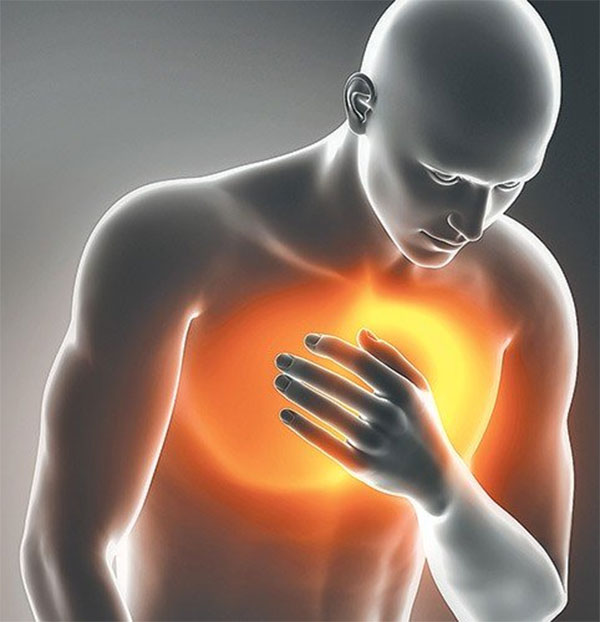
Symptoms
Most small hiatal hernias cause no signs or symptoms. But larger hiatal hernias can cause:
- Heartburn
- Regurgitation of food or liquids into the mouth
- Backflow of stomach acid into the esophagus (acid reflux)
- Difficulty swallowing
- Chest or abdominal pain
- Shortness of breath
- Vomiting of blood or passing of black stools, which may indicate gastrointestinal bleeding
What Happens Before the Esophageal Manometry Test?
Before you have an esophageal manometry test, be sure to tell the doctor if you are pregnant, have a lung or heart condition, have any other medical problems or diseases, or if you are allergic to any medications.
At the Reflux Centre we use only state of the art equipment imported from Germany. Using the latest Chigago Classification reporting giving Doctors 100% clarification on treatment options.
What is a High-Resolution Manometry Test?
A HRM is typically done to evaluate suspected disorders of motility or peristalsis of the esophagus. These include achalasia, distal esophageal spasm, nutcracker esophagus and hypertensive lower esophageal sphincter. These disorders typically present with dysphagia, or difficulty swallowing, usually to both solids and liquids even initially. Other patients with spasm disorders may have the test done to diagnose chest pain thought not to be of cardiac cause.



 Send message